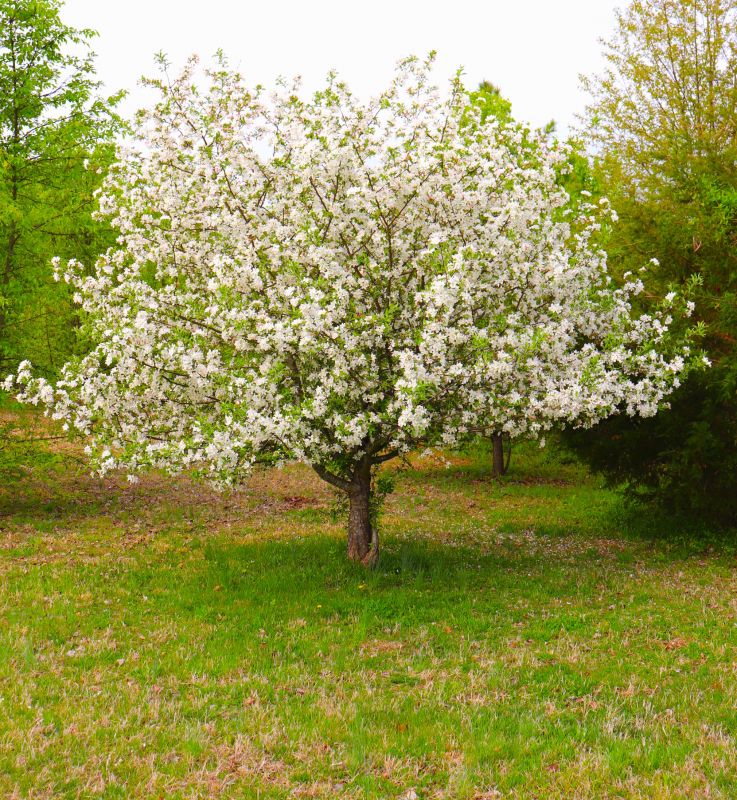
Dogwood Tree Removal in San Jose, CA
Dogwood tree removal services involve the safe and efficient removal of dogwood trees that are damaged, diseased, or pose a risk to property. These projects typically include tree felling, stump grinding, and debris cleanup to ensure the area is cleared properly. Homeowners considering this service should understand the size and location of the tree, as well as any potential impact on surrounding structures or landscaping, to help determine the scope of the work needed.
Property owners often request dogwood tree removal for reasons such as disease management, safety concerns, or to make space for new landscaping. It’s important to evaluate whether the tree is dead or dying, leaning dangerously, or interfering with utility lines or structures before requesting removal. Additionally, understanding local regulations or restrictions related to tree removal can help ensure the process proceeds smoothly and in compliance with any applicable guidelines.
Many property owners in San Jose, CA look into Dogwood Tree Removal for repairs, replacements, upgrades, and appearance-related improvements.
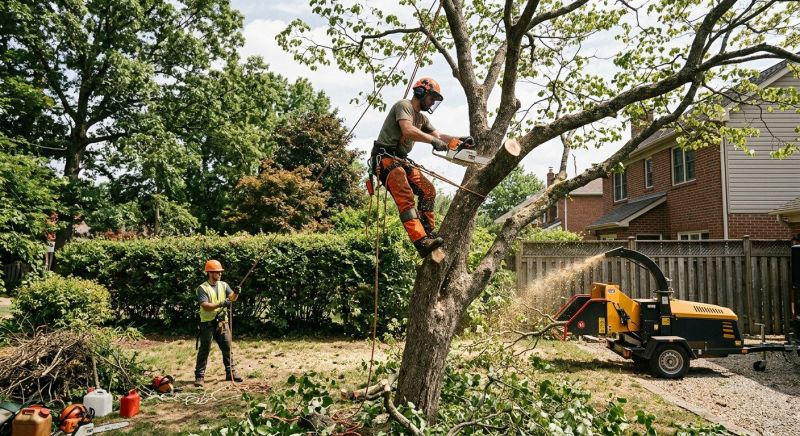
Tree Removal For Safety
Removing damaged or hazardous dogwood trees helps prevent property damage and personal injury.
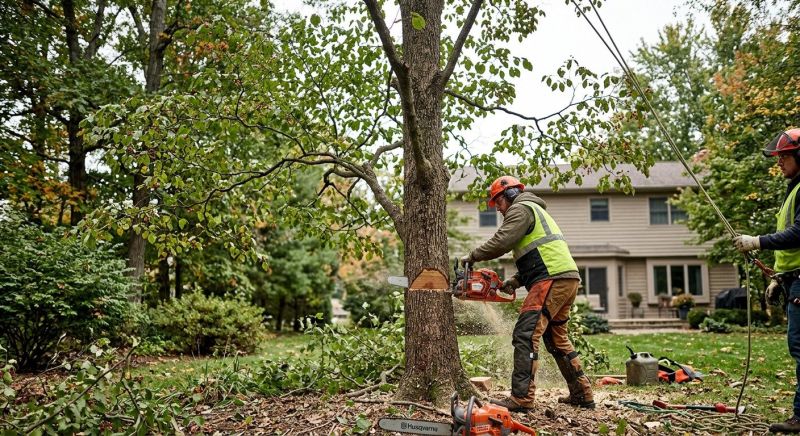
Property Enhancement
Clearing out overgrown or unwanted dogwood trees can improve the appearance and functionality of outdoor spaces.
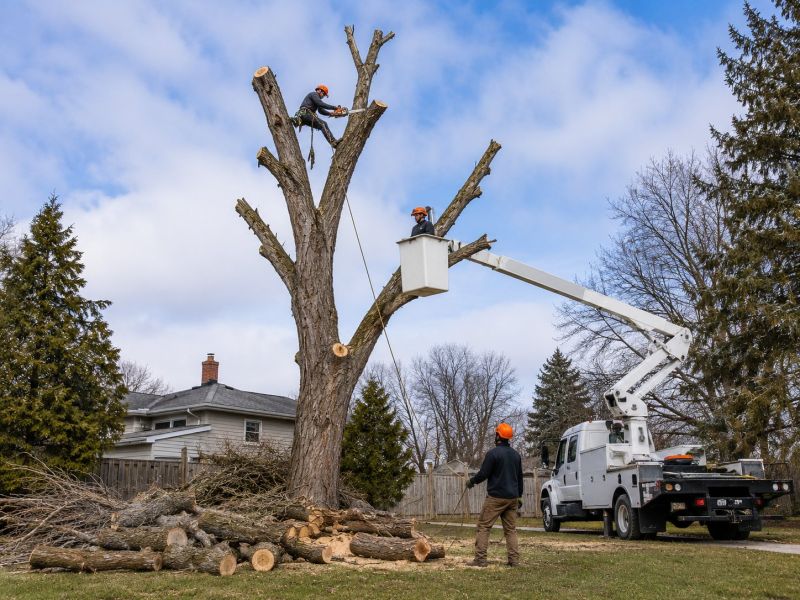
Storm Damage Cleanup
Prompt removal of fallen or broken dogwood branches helps maintain a safe and tidy yard after storms in san jose, ca.
Dogwood Tree Removal in San Jose, CA
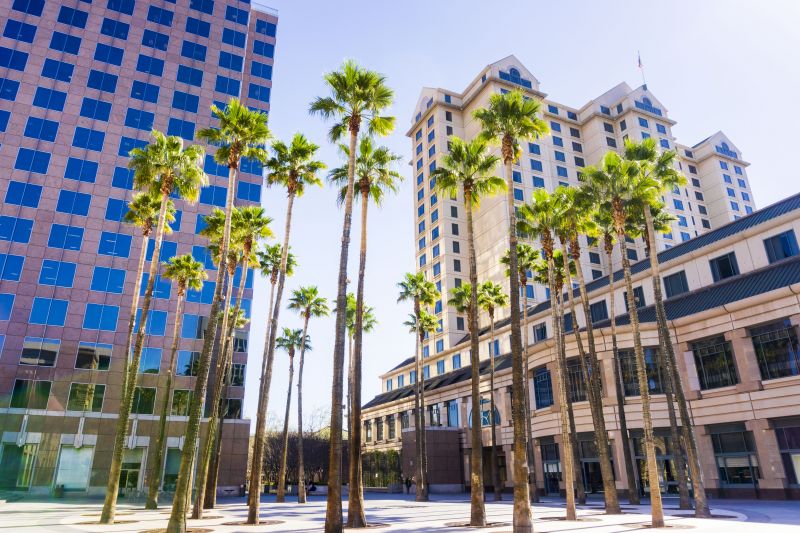
Dogwood tree removal services involve the safe and efficient removal of dogwood trees that are damaged, diseased, or pose a risk to property. These projects typically include tree felling, stump grinding, and debris cleanup to ensure the area is cleared properly. Homeowners considering this service should understand the size and location of the tree, as well as any potential impact on surrounding structures or landscaping, to help determine the scope of the work needed.
Property owners often request dogwood tree removal for reasons such as disease management, safety concerns, or to make space for new landscaping. It’s important to evaluate whether the tree is dead or dying, leaning dangerously, or interfering with utility lines or structures before requesting removal. Additionally, understanding local regulations or restrictions related to tree removal can help ensure the process proceeds smoothly and in compliance with any applicable guidelines.
Many property owners in San Jose, CA look into Dogwood Tree Removal for repairs, replacements, upgrades, and appearance-related improvements.
Common Dogwood Tree Removal Jobs
Dogwood Tree Removal - Safely removing dead or overgrown dogwood trees to prevent property damage.
Emergency Tree Removal - Addressing fallen or hazardous dogwood trees after storms or high winds.
Selective Tree Removal - Removing specific dogwood trees to improve landscape health and aesthetics.
Stump Removal - Complete removal of remaining tree stumps after dogwood tree removal.
Tree Pruning and Trimming - Maintaining tree health and shape through targeted pruning of dogwoods.
Land Clearing - Clearing areas of multiple dogwood trees for construction or landscaping projects.
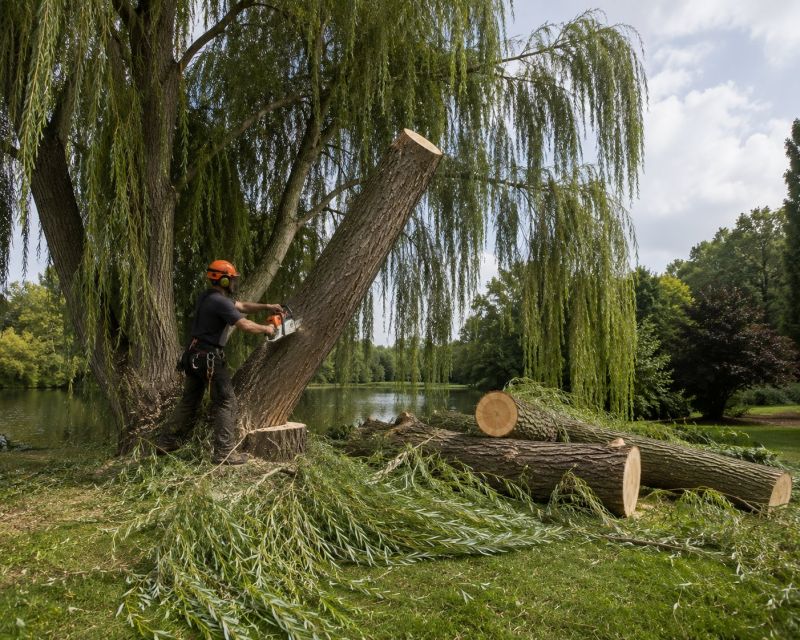
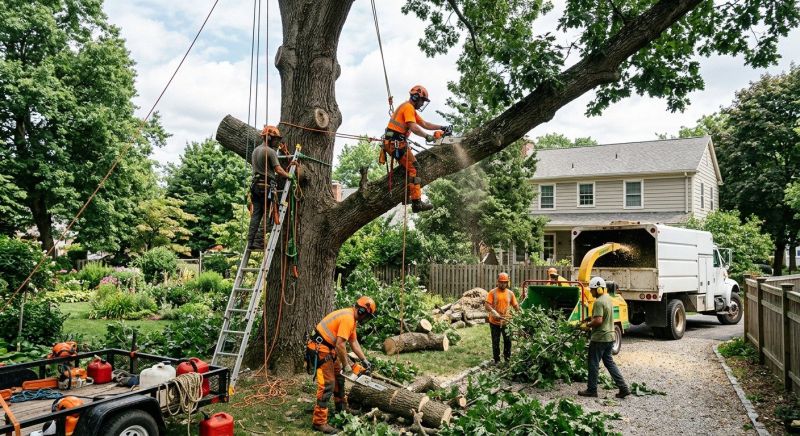
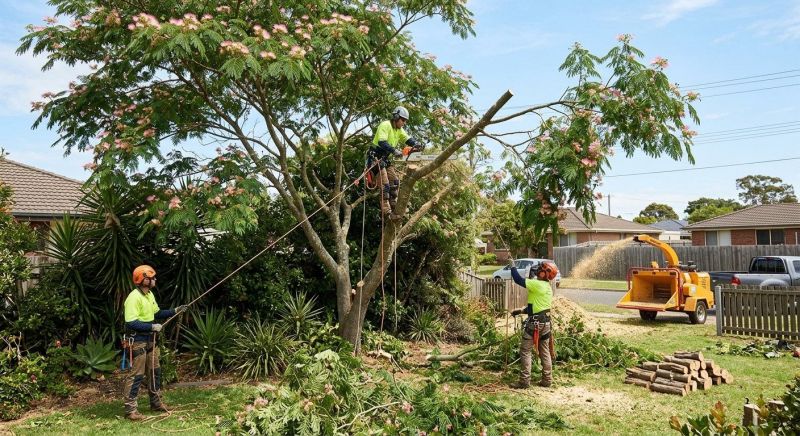
Dogwood Tree Removal Questions
When is the best time to remove a Dogwood tree? The optimal time for removal is during dormancy, typically late winter or early spring, to reduce stress on surrounding plants.
What should property owners consider before removing a Dogwood tree? It’s important to evaluate the tree’s health, location, and potential impact on nearby structures or landscaping.
Are there any permits required for Dogwood tree removal? Permit requirements vary by location; checking local regulations can determine if approval is needed before removal.
What are common reasons for removing a Dogwood tree? Removal may be considered due to disease, damage, safety concerns, or to improve landscape design.
Request Dogwood Tree Removal in San Jose, CA
Use the quote form on this page to share the basics of your project and request more information for the type of work you need.