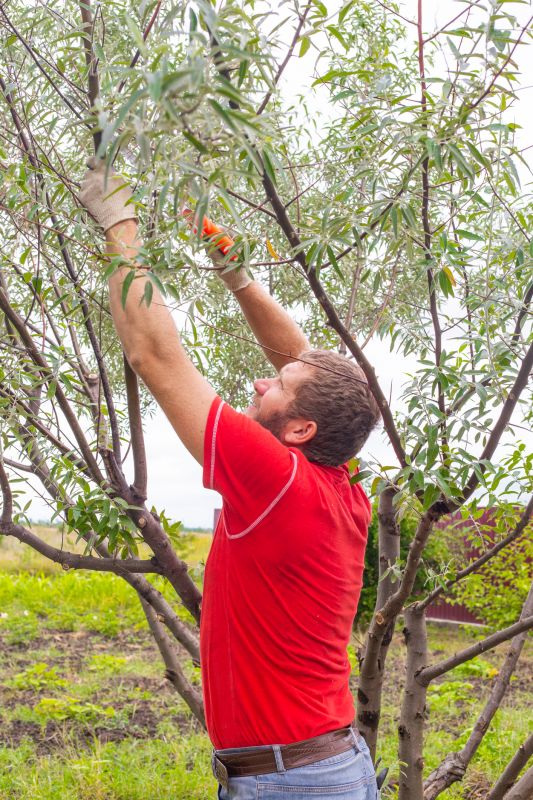
Pear Tree Pruning in San Jose, CA
Pear Tree Pruning services involve the careful trimming and shaping of pear trees to promote healthy growth, improve fruit production, and maintain an attractive appearance. This type of pruning typically includes removing dead or diseased branches, thinning out crowded areas, and shaping the tree to ensure proper airflow and sunlight penetration. Projects may range from routine maintenance to more extensive pruning for older or overgrown trees, helping to prevent potential hazards and support the tree’s overall health.
Homeowners considering pear tree pruning should understand the importance of timing, proper techniques, and the desired outcomes for their trees. It’s common to request pruning before the growing season or after harvest to encourage new growth and fruiting. Property owners often want to know about the scope of work, the tools used, and how pruning can affect the tree’s longevity and fruit quality. Clear communication about these aspects can help ensure the service meets the specific needs of the pear trees and the property’s landscape.
Many property owners in San Jose, CA look into Pear Tree Pruning for repairs, replacements, upgrades, and appearance-related improvements.
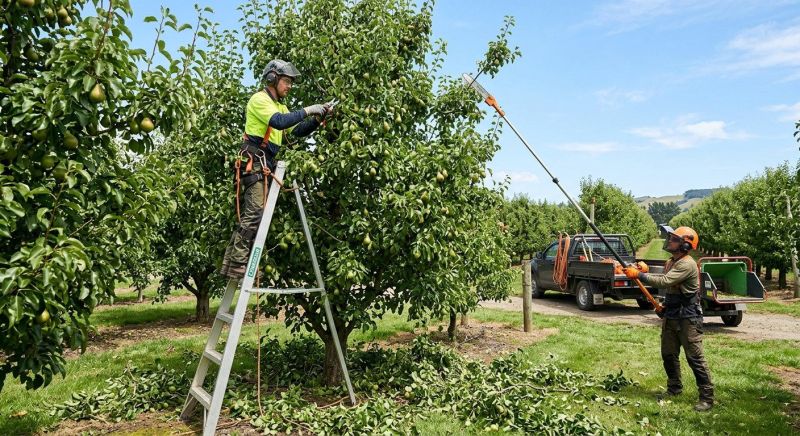
Tree Health And Maintenance
Proper pruning helps maintain the health and longevity of pear trees in san jose gardens.
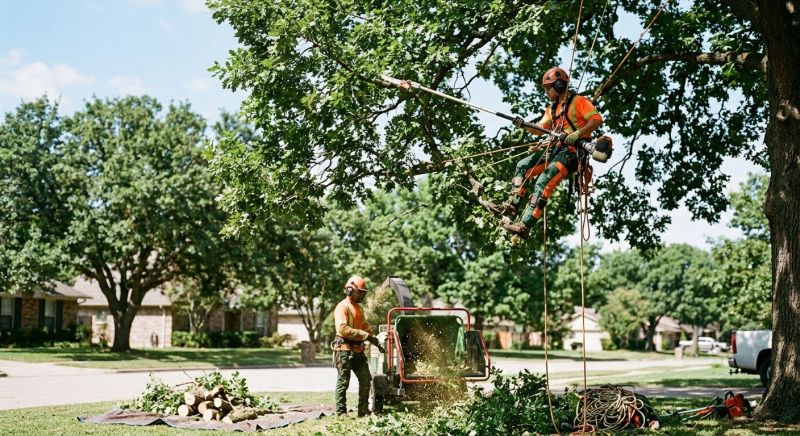
Safety And Property Protection
Pruning removes hazardous branches that could fall and cause damage or injury around homes and walkways.
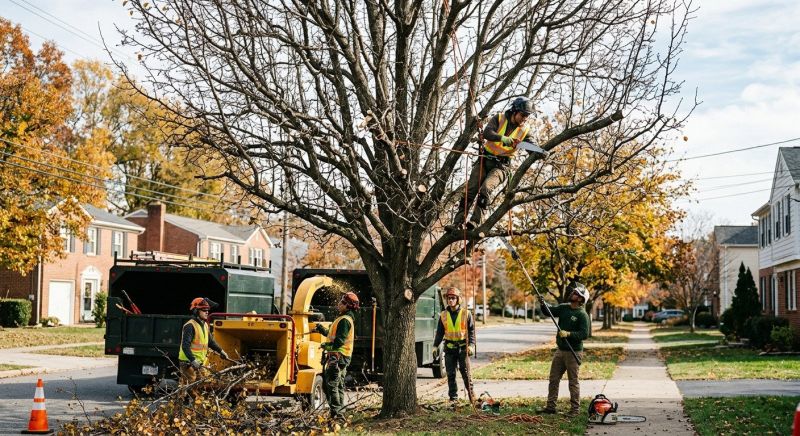
Aesthetic Enhancement
Shaping and trimming pear trees improve their appearance and add visual appeal to residential landscapes.
Pear Tree Pruning in San Jose, CA

Pear Tree Pruning services involve the careful trimming and shaping of pear trees to promote healthy growth, improve fruit production, and maintain an attractive appearance. This type of pruning typically includes removing dead or diseased branches, thinning out crowded areas, and shaping the tree to ensure proper airflow and sunlight penetration. Projects may range from routine maintenance to more extensive pruning for older or overgrown trees, helping to prevent potential hazards and support the tree’s overall health.
Homeowners considering pear tree pruning should understand the importance of timing, proper techniques, and the desired outcomes for their trees. It’s common to request pruning before the growing season or after harvest to encourage new growth and fruiting. Property owners often want to know about the scope of work, the tools used, and how pruning can affect the tree’s longevity and fruit quality. Clear communication about these aspects can help ensure the service meets the specific needs of the pear trees and the property’s landscape.
Many property owners in San Jose, CA look into Pear Tree Pruning for repairs, replacements, upgrades, and appearance-related improvements.
Common Pear Tree Pruning Jobs
Pear Tree Pruning - shaping and thinning pear trees to promote healthy growth.
Fruit Tree Pruning - removing dead or diseased branches to improve fruit production.
Structural Pruning - maintaining the tree’s shape and preventing potential hazards.
Thinning - reducing canopy density to increase sunlight penetration and air circulation.
Cleaning - removing broken or crossing branches to prevent damage and disease.
Seasonal Pruning - performing pruning during appropriate times for optimal tree health.
Pear Tree Pruning Questions
What is pear tree pruning? Pear tree pruning involves removing dead or overgrown branches to promote healthy growth and improve fruit production.
When is the best time to prune a pear tree? The ideal time to prune a pear tree is during late winter or early spring before new growth begins.
Why is pruning important for pear trees? Pruning helps maintain the tree’s shape, prevents disease, and encourages better fruit yield and quality.
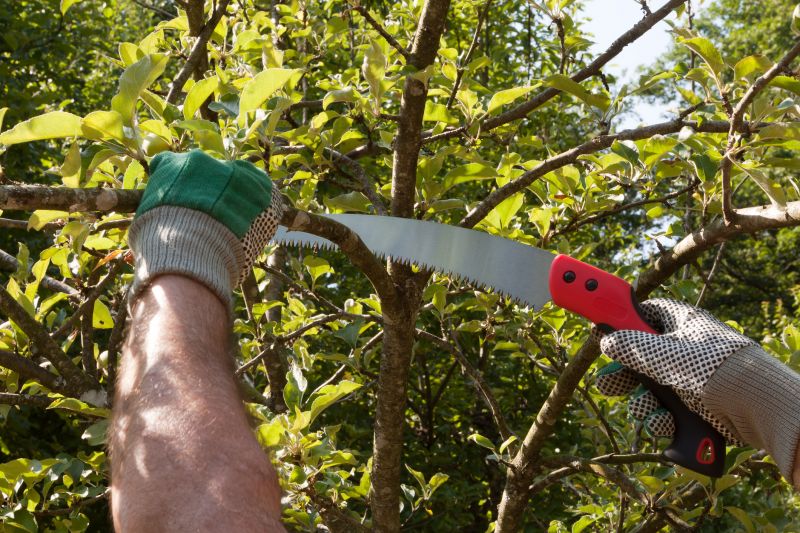
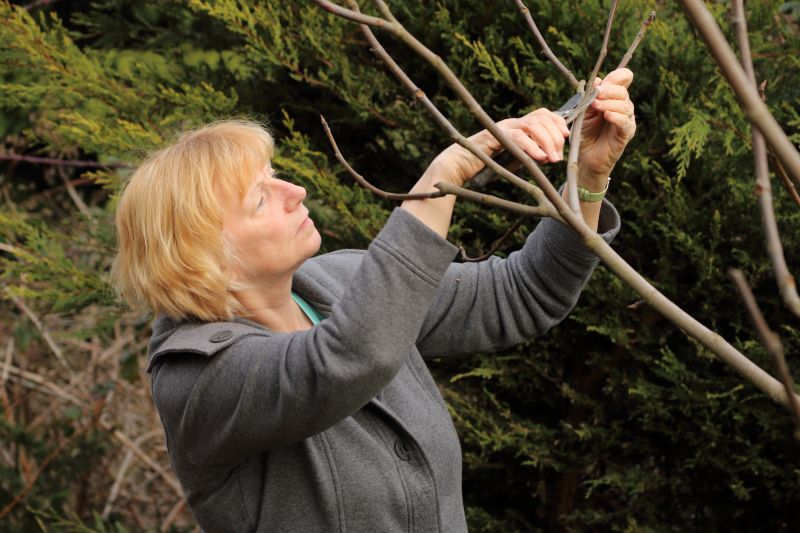
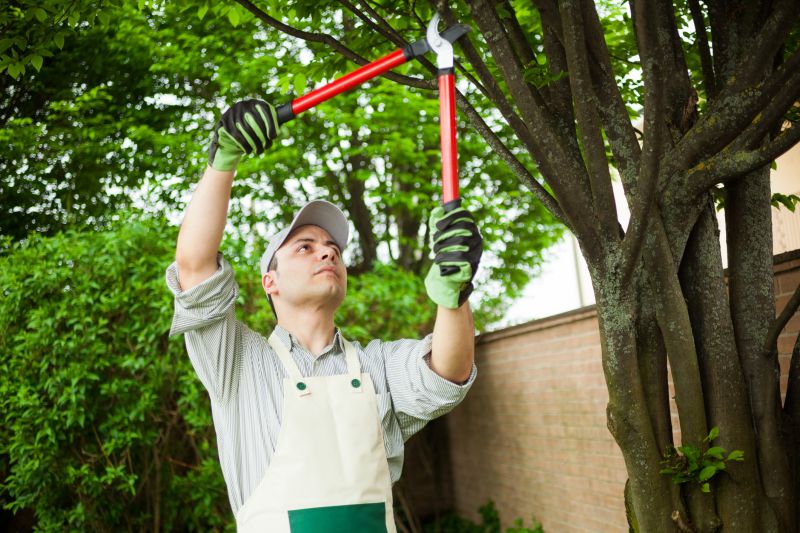
What tools are needed for pruning pear trees? Sharp pruning shears, loppers, and a pruning saw are commonly used to safely and effectively prune pear trees.
Request Pear Tree Pruning in San Jose, CA
Use the quote form on this page to share the basics of your project and request more information for the type of work you need.